Studying anatomy and physiology can feel like drinking from a fire hose. There are hundreds of bones, muscles, organs, and systems to learn. And you need to know how they all connect. That’s where this test bank comes in.
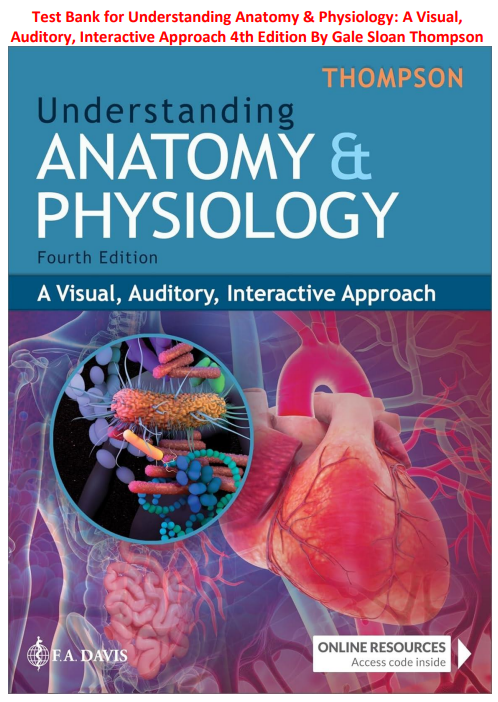
This test bank is built for the 4th edition of Understanding Anatomy & Physiology: A Visual, Auditory, Interactive Approach by Gale Sloan Thompson. It follows the book chapter by chapter. So you always know exactly where you stand.
Whether you’re a nursing student, an allied health major, or an instructor building exams, this resource gives you a fast, reliable way to check your knowledge before test day arrives.
What Is a Test Bank, Exactly?
A test bank is a large collection of practice questions tied to a specific textbook. Think of it as the exam before the exam. Each question mirrors the style, depth, and vocabulary used in the actual course material. That means no surprises when you sit down for your real quiz or final.
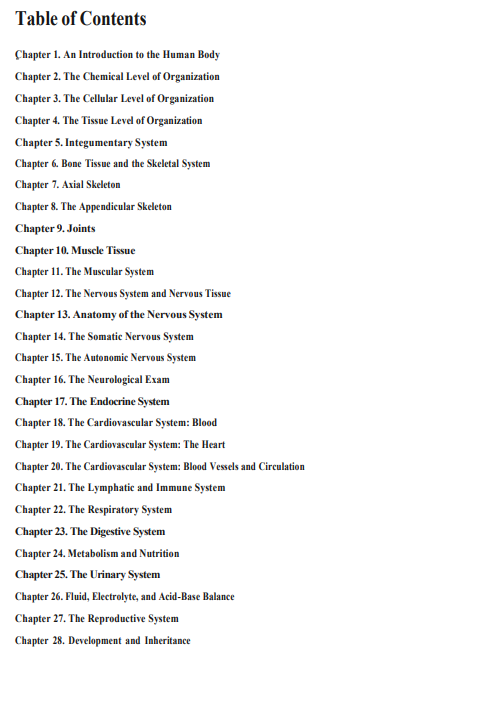
This particular test bank covers every major body system found in Thompson’s textbook. Skeletal, muscular, nervous, cardiovascular, respiratory, digestive, endocrine, urinary, and reproductive systems are all included. You also get coverage of basic chemistry, cell structure, and tissue types, since those chapters lay the foundation for everything else.
Why Students Choose This Test Bank
1. It Matches the Textbook, Chapter for Chapter
You won’t waste time hunting through random questions that don’t apply to your course. Every question lines up with a specific chapter in the 4th edition. That makes review sessions faster and far less stressful.
2. It Covers Every Question Type
You’ll find multiple choice, true or false, matching, and short answer questions. This variety trains your brain to recognize concepts no matter how they’re phrased on your actual exam.
3. Rationales Explain the “Why”
A correct answer alone doesn’t teach you much. This test bank includes clear rationales for each answer. You learn not just what’s right, but why it’s right and why the other choices fall short.
4. Built for Visual and Auditory Learners
Thompson’s textbook was written for people who learn best through pictures, sound, and hands-on practice. This test bank keeps that same spirit. Questions are written in plain language. Nothing feels overly technical or robotic.
5. Great for Self-Paced Review
You can work through this at your own speed. Study one system a night. Or binge through three chapters before a big exam. It’s flexible enough to fit any study schedule.
Who This Test Bank Is For
- Nursing students preparing for A&P I and A&P II exams
- Allied health students in radiology, respiratory therapy, or physical therapy programs
- Pre-med and biology majors who need a strong anatomy foundation
- Instructors and TAs who want a ready-made bank of exam questions
- Anyone refreshing their anatomy knowledge before a certification test
Sample Practice Questions
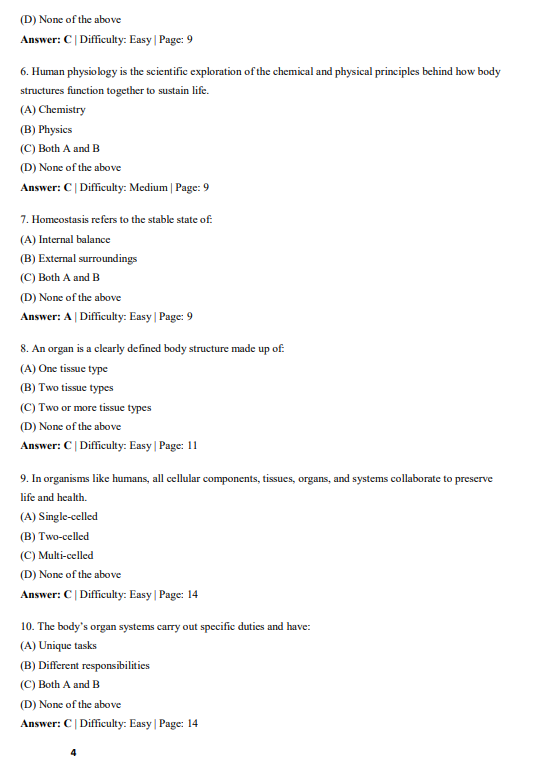
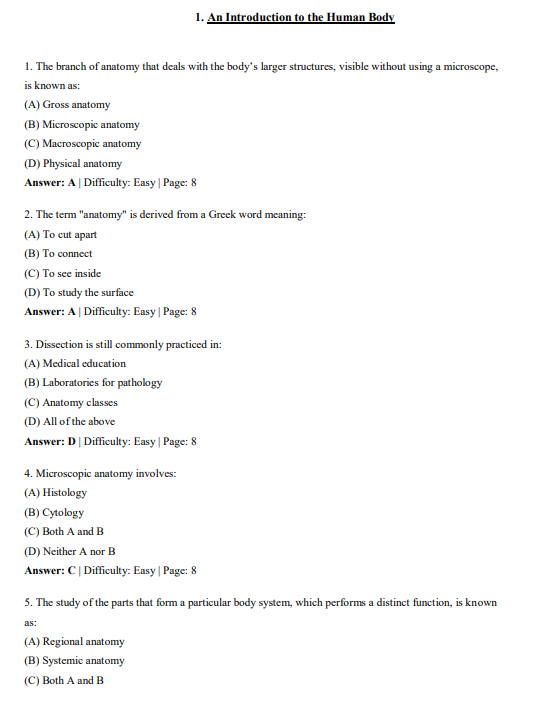
Below are five sample questions written in the same spirit as the full test bank. Use them to get a feel for the format, depth, and style before you dive into the complete set.
Question 1: Skeletal System
Which type of bone cell is primarily responsible for breaking down bone tissue during remodeling?
A) Osteoblasts
B) Osteocytes
C) Osteoclasts
D) Chondrocytes
Correct Answer: C) Osteoclasts
Rationale: Osteoclasts break down old or damaged bone tissue through a process called resorption. Osteoblasts, by contrast, build new bone. Osteocytes are mature bone cells that maintain existing tissue. Chondrocytes belong to cartilage, not bone, so they don’t play a role in bone remodeling at all.
Question 2: Muscular System
A muscle contraction that generates force but does not change the muscle’s length is called what?
A) Isotonic contraction
B) Isometric contraction
C) Concentric contraction
D) Eccentric contraction
Correct Answer: B) Isometric contraction
Rationale: During an isometric contraction, tension builds inside the muscle, but the muscle length stays the same. A good example is pushing against a wall that won’t move. Isotonic, concentric, and eccentric contractions all involve some change in muscle length as the muscle shortens or lengthens under load.
Question 3: Nervous System
Which part of the neuron is responsible for receiving incoming signals from other neurons?
A) Axon
B) Dendrite
C) Myelin sheath
D) Axon terminal
Correct Answer: B) Dendrite
Rationale: Dendrites act like antennas. They pick up signals from neighboring neurons and send them toward the cell body. The axon then carries the signal away from the cell body. The myelin sheath speeds up signal transmission along the axon, and axon terminals release neurotransmitters at the end of the signal’s path.
Question 4: Cardiovascular System
Which chamber of the heart pumps oxygenated blood into the aorta?
A) Right atrium
B) Right ventricle
C) Left atrium
D) Left ventricle
Correct Answer: D) Left ventricle
Rationale: The left ventricle has the thickest wall of all four chambers. It needs that extra muscle to pump oxygen-rich blood with enough force to reach the entire body through the aorta. The right side of the heart handles deoxygenated blood, sending it to the lungs instead of the body.
Question 5: Respiratory System
What is the primary function of surfactant in the lungs?
A) To warm incoming air
B) To reduce surface tension in the alveoli
C) To filter out airborne particles
D) To regulate blood pH
Correct Answer: B) To reduce surface tension in the alveoli
Rationale: Surfactant coats the inside of the alveoli and lowers surface tension. This keeps the tiny air sacs from collapsing between breaths. Without enough surfactant, breathing becomes much harder, which is a major concern in premature infants whose lungs haven’t fully matured.
These five questions only scratch the surface. The full test bank includes hundreds of similar questions spanning every chapter of the 4th edition.
How to Use This Test Bank Effectively
- Study one chapter at a time. Don’t jump around. Match your review to your class schedule.
- Read every rationale, even for questions you get right. This deepens your understanding instead of just confirming a guess.
- Retest yourself a few days later. Spaced repetition helps information stick in long-term memory.
- Use it alongside your textbook, not instead of it. The test bank reinforces what you’ve already read.
- Track your weak spots. If one body system keeps tripping you up, spend extra time there before moving on.
What Makes This Different From Free Online Quizzes
Random quizzes you find online often miss the mark. They might use different terminology than your textbook. Or they skip topics your instructor actually tests on. This test bank was built specifically around Thompson’s 4th edition. That means the wording, structure, and difficulty level match what you’ll see in your real course.
Format and Delivery
This test bank is delivered as a digital file, so you get instant access after purchase. No shipping. No waiting. Open it on your laptop, tablet, or phone and start studying right away.
Frequently Asked Questions
Is this test bank the same as the textbook?
No. This is a separate study resource. You’ll still need the actual textbook, Understanding Anatomy & Physiology: A Visual, Auditory, Interactive Approach, 4th Edition, for full lesson content, diagrams, and explanations.
Does this cover all chapters in the 4th edition?
Yes. Every major body system and foundational topic from the textbook is represented in the question set.
Is this test bank useful for instructors, too?
Yes. Instructors and teaching assistants often use test banks like this one as a starting point for building quizzes, exams, or homework assignments.
What question formats are included?
You’ll find multiple choice, true or false, matching, and short answer questions throughout the set.
Do the questions include explanations?
Yes. Every question comes with a rationale explaining why the correct answer is right and why the other options aren’t.
Can I use this on my phone?
Yes. Since it’s a digital file, you can access it on any device with a PDF or document reader.
Is this suitable for nursing students?
Absolutely. Anatomy and physiology are core courses for nursing programs, and this test bank was designed with that audience in mind.
How is this different from the study guide that comes with the textbook?
A built-in study guide usually offers a lighter review. This test bank goes deeper, with a much larger volume of exam-style questions and detailed rationales for each one.
Final Thoughts
Anatomy and physiology don’t have to feel overwhelming. With the right practice tool, you can turn a mountain of information into manageable, bite-sized review sessions. This test bank for Thompson’s 4th edition gives you exactly that. Realistic questions. Clear explanations. And a study path that actually matches your course.
Get your copy today and walk into your next exam feeling ready, not rattled.
Theresa M. –
Super helpful for quick exam review
Jarrod Bent –
Helped me spot my weak areas
Dorcas M. –
Simple, clear, and easy to use
Lucas Gabriel –
Great practice questions
Peterson S. –
Helped me understand which topics needed extra attention.
Norah Helen –
A solid test bank